Dubai is a city of luxury, tall buildings, and fast growth. But with growth comes waste. Every day, homes, shops and factories produce tons of garbage. If not managed, this waste harms the air, land and water. It also lowers the quality of life for people. The solution is recycling Dubai. Recycling reduces waste, saves energy and keeps the city clean. It also turns trash into valuable resources. Today, the government, companies and residents all work together to recycle more.
This guide explains how recycling works in Dubai. You will learn about the main types of recycling, where to recycle and how you can take part in building a greener future.
Importance of Recycling in Dubai
Recycling is not only about producing less trash. It saves resources. It supports a circular economy. Dubai creates vast amounts of waste every day. Homes, shops and industries add to this pile. Without care, waste goes to landfills. This pollutes the air and soil. Recycling stops this by reusing plastic, glass, metals and food waste.
For Dubai, recycling is also a duty to the world. The city wants to lead in sustainability. Recycling lowers carbon, saves energy and protects resources for tomorrow. Most of all, it keeps neighborhoods clean and healthy for people today.
Recycling in the UAE: National Goals and Strategies
Recycling is part of the UAE’s vision. It connects to the UAE Vision 2030 and the Dubai 2040 Urban Plan. The main aim is zero waste in landfills by 2030.
To achieve this, the government runs many recycling programs. Strong laws and local rules support these programs.
The UAE also partners with global groups and private firms to build advanced recycling plants. Dubai Municipality leads these efforts. It places recycling bins in homes, promotes waste sorting and runs awareness campaigns.
From e-waste plants to organic compost projects, Dubai is moving fast toward a green future.
| Goal | Target Year | Key Focus Area |
| Zero Waste to Landfill | 2030 | Recycling, composting, waste-to-energy |
| Reduce Plastic Use | 2026 | Ban on single-use plastics |
| Circular Economy Model | 2040 | Reuse, recycle, and repurpose materials |
Types of Recycling in Dubai
Dubai recycles many kinds of waste. Each type has its own method and value. Here are the main categories.
E Waste Recycling
E-waste is one of the fastest growing waste streams. It includes phones, laptops, TVs and batteries. These items often contain harmful chemicals like lead and mercury. If dumped, they can poison soil and water.
Special centers collect and take apart e-waste. Valuable metals such as copper, gold and silver are recovered. Toxic parts are treated safely. Companies like Enviroserve run large e-waste plants in the UAE. Residents can also drop off old gadgets at malls and collection points.
Metal Recycling
Metal recycling is vital in Dubai. Aluminum, steel, and copper are used everywhere. Recycling these saves energy and reduces waste. Making aluminum from scrap needs 95% less energy than mining.
Both homes and industries recycle metal. Cans, utensils and scrap are collected. Recycling plants melt and reshape them into new items. This reduces mining and protects natural resources.
Plastic Recycling
Plastic waste is widespread in Dubai. Bottles, bags, and packaging pile up daily. Without recycling, plastics can last hundreds of years.
Dubai runs plastic recycling programs to reduce single-use plastics. Green bins collect bottles and containers in communities. These are cleaned, shredded, and melted into pellets. The pellets are used to make chairs, clothes, and packaging. This reduces pollution and supports green production.
Glass Recycling
Glass is simple to recycle. It can be reused many times without losing quality. Recycling glass also saves energy compared to making new glass.
Residents separate bottles and jars from trash. They drop them at recycling points in malls and supermarkets. It becomes new bottles and containers. This cycle repeats endlessly, making glass very eco-friendly.
Organic Waste Recycling
Food waste is a big part of Dubai’s garbage. If dumped, it releases methane, a harmful gas.
Organic waste recycling turns food scraps into compost or fertilizer. Dubai supports composting at home and in kitchens. Hotels and restaurants also recycle food waste into fertilizer. This reduces landfill use and supports local farming.
| Type of Recycling | Examples | Key Benefits |
| E Waste Recycling | Phones, laptops, batteries | Prevents toxic pollution, recovers metals |
| Metal Recycling | Aluminum cans, steel, copper | Saves energy, reduces mining |
| Plastic Recycling | Bottles, packaging, bags | Reduces landfill waste, creates new items |
| Glass Recycling | Bottles, jars | Infinite recyclability, saves raw materials |
| Organic Waste | Food scraps, garden waste | Produces compost, reduces methane emissions |
Recycling Facilities and Centers in Dubai
Dubai has built a strong recycling system to make waste management simple.
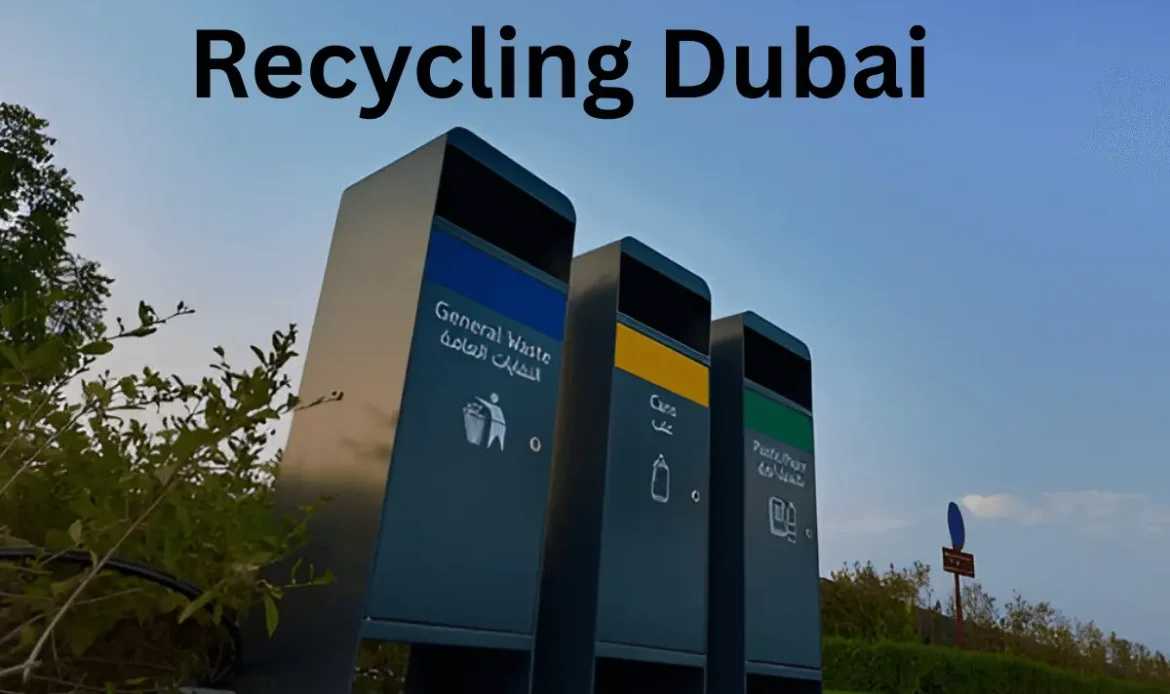
- Green bins are placed in neighborhoods for plastic, paper, and glass.
- Municipal stations accept larger amounts of waste, including metals and e-waste.
- Private companies such as Bee’ah and Averda provide door-to-door recycling for homes, offices and industries.
With these options, recycling is easy for everyone whether you live alone, with family or run a large business.
Corporate and Industrial Recycling in Dubai
Businesses are key to recycling in Dubai. Construction firms, factories, and hotels create a lot of waste every day. Many of them now follow green practices. They use less paper, cut down on plastics and recycle old electronics through e-waste centers. Metal scraps from building sites are sent to plants where they are melted and reused. Hotels and restaurants also recycle food waste by turning it into compost for farms and gardens. These efforts protect the environment and show that companies are acting responsibly. They also help businesses earn trust and build a positive reputation.
Community and Government Programs
Recycling in Dubai grows stronger when people join in. The government runs Clean City and Green Dubai to spread the message. Schools and universities also add recycling to lessons. This helps children learn about sustainability from a young age.
Community groups host events for everyone. People can recycle old electronics, give away clothes or join cleanup drives. These programs build awareness and make eco-friendly habits part of daily life.
Challenges of Recycling in Dubai
Recycling in Dubai has made progress, but problems remain. Plastic use is still high. Bottled water and packaging add most of this waste. Many people do not sort trash correctly. This means recyclable items often go into regular bins.
Industrial waste is another big issue. Construction sites produce large amounts of metal and concrete. To solve these problems, Dubai needs stricter rules, more public awareness and stronger recycling systems.
The Future of Recycling in Dubai and the UAE
Dubai is investing a lot in recycling. Smart bins with artificial intelligence now help sort waste on their own. Recycling plants are expanding to manage more waste. They also handle new categories, including advanced e-waste.
The UAE is building a circular economy. The goal is zero waste to landfill by 2030. With the Dubai 2040 Urban Plan, the city is moving closer to becoming a global model of sustainability.
FAQs on Recycling in Dubai
Where can I recycle e-waste in Dubai?
You can drop e-waste at malls, collection points and special centers run by companies like Enviroserve.
How does plastic recycling work in Dubai?
Plastics are collected, cleaned, shredded and made into pellets. These pellets are used to create new products.
Can I recycle glass bottles in Dubai?
Yes, Glass bottles and jars can be recycled at drop-off points in supermarkets and malls.
What happens to organic waste in Dubai?
People turn organic waste into compost. Farmers and gardeners use the compost as fertilizer in gardens, farms, and landscaping
What metals can be recycled?
Aluminum, steel, copper and construction scrap can all be recycled.
How is recycling in the UAE different from other countries?
The UAE uses large-scale programs, government campaigns and private company partnerships.
Are businesses required to recycle?
Yes. Many industries and companies follow sustainability rules that include recycling.
How does recycling support sustainability in Dubai?
Recycling cuts landfill use, saves energy and supports the UAE Vision 2030 goals.
Is Dubai on track for zero waste by 2030?
Yes. New projects, awareness drives and advanced recycling plants are helping the city move closer to this target.
How can residents contribute to recycling?
Residents can sort waste, use green bins, donate reusable items and reduce single-use plastics.
Conclusion
Recycling in Dubai is more than a government plan. It is a joint effort by people, companies and industries. E-waste recycling keeps toxic materials out of the environment. Metal recycling saves energy and resources. Plastic, glass and organic waste recycling also helps create a cleaner city.
With strong government support and active community action, Dubai is moving toward its goal of zero waste to landfill by 2030. Reaching this goal needs help from everyone. Simple habits, like sorting trash and using green bins, can make a big difference. Together, these steps build a greener and healthier Dubai.
You can also join this effort through Able Recycling. The site offers services for e-waste, metal, plastic and more. It also gives easy tips for residents and businesses to manage waste responsibly. Working with trusted recycling services is one of the best ways to support a sustainable future in the UAE.
1 reply on “Dubai Waste Management & Recycling: Complete Guide”
[…] because the short fibres will cause contamination of the normal paper recycling. Most of the waste management firms in Dubai provide safe document shredding, which recycles the shredded […]