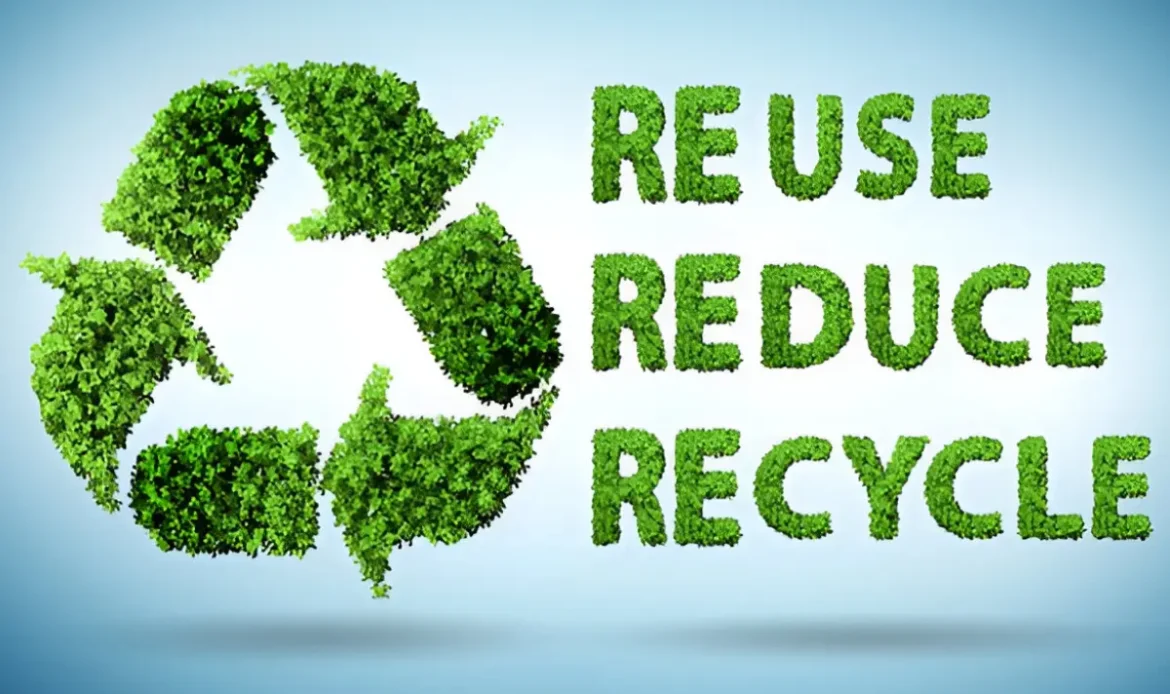
The principle of reduce reuse recycle has become more than just a catchy phrase—it’s a lifestyle choice that millions of people worldwide are adopting to protect our planet. Whether you’ve seen a reduce reuse recycle poster at school or work, this simple three-step approach offers a practical solution to our growing waste crisis. In this comprehensive guide, we’ll explore how you can implement these principles in your daily life and make a real difference for our environment.
In cities like Dubai, where development is fast and consumption is high, adopting responsible waste practices is essential. This guide explains the meaning of reduce, reuse, and recycle, their importance, how they work in daily life, and how businesses and individuals can contribute—especially through professional services such as a recycling company in dubai and e waste recycling.
What Does Reduce Reuse Recycle Really Mean?
The concept of reduce reuse recycle represents a hierarchy of waste management practices, each building upon the other to minimize environmental impact. Let’s break down each component to understand how they work together.
Understanding the Three R’s
The three R’s follow a specific order of importance. Reducing comes first because preventing waste is always better than managing it. Reusing extends the life of products we already have, while recycling transforms materials into new products when reduction and reuse aren’t possible.
Think of it as a pyramid: at the top, we have reduction (the most important), followed by reuse in the middle, and recycling at the base. This hierarchy helps us prioritize our actions for maximum environmental benefit.
Recycle Turn Waste into New Products
Recycling is the process of converting waste into new materials. Items like paper, plastic, metal, glass, and electronics can be recycled when handled correctly.
This is where professional services such as recycling company in dubai play a major role by collecting, sorting, and processing waste safely.
Why Reduce, Reuse, Recycle Matters More Than Ever
Our planet is facing serious environmental problems today. Every year, people around the world create more than 2 billion tons of waste, and this amount keeps increasing. The old habit of throwing things away without thinking is no longer safe for our planet.
The Impact of Too Much Waste
When we don’t follow the reduce, reuse, recycle method, many problems occur. Landfills become overcrowded and release harmful gases into the air. Plastic waste ends up in oceans, harming fish and sea animals. At the same time, natural resources like trees, water, and minerals are used faster than the Earth can replace them.
By simply reducing what we use, reusing items whenever possible, and recycling properly, we can make a big difference. These small actions help lower pollution, save natural resources, and create a cleaner and healthier world for future generations.
Reduce The First and Most Important Step
Reducing waste means consuming less and being mindful about what we buy. It’s about making conscious choices that prevent waste from being created in the first place.
Practical Ways to Reduce Your Waste
Start by evaluating your shopping habits. Do you really need that extra gadget or those impulse purchases? Here are some effective strategies to reduce waste in your daily life:
Buy Only What You Need: Before making a purchase, ask yourself if you truly need the item. This simple question can prevent unnecessary consumption and save you money.
Choose Quality Over Quantity: Invest in well-made products that last longer rather than cheap items that break quickly. A durable product might cost more initially, but it saves money and reduces waste over time.
Go Digital: Reduce paper waste by opting for digital bills, receipts, and documents. Use cloud storage instead of printing papers unnecessarily.
Avoid Single-Use Items: Say no to plastic bags, disposable water bottles, and single-use coffee cups. These items contribute significantly to global waste problems.
Reducing Waste in Your Home
Your home is where most waste reduction opportunities exist. Start in your kitchen by planning meals to avoid food waste. Buy groceries in bulk using reusable containers to minimize packaging waste.
In your bathroom, switch to bar soaps instead of liquid soaps in plastic bottles. Choose refillable containers for products like shampoo and hand soap. These small changes add up to significant waste reduction over time.
Reuse Extending the Life of Products
The second principle of reduce reuse recycle focuses on finding new uses for items instead of throwing them away. Reusing products saves money, reduces waste, and often sparks creativity.
Creative Ways to Reuse Everyday Items
Glass jars make excellent storage containers for pantry items, craft supplies, or even as drinking glasses. Old t-shirts can become cleaning rags, shopping bags, or even pet toys. Cardboard boxes serve as organizers, planters, or craft project materials.
Donate and Share: Items you no longer need might be perfect for someone else. Donate clothes, books, and household items to charity organizations. Share tools and equipment with neighbors instead of everyone buying their own.
Repair Instead of Replace: When something breaks, try fixing it before buying a replacement. Many items can be repaired with basic tools and a little patience. This approach saves money and reduces waste significantly.
Reuse in Dubai and UAE
Reduce reuse recycle in Dubai has gained tremendous momentum as the city works toward its sustainability goals. Many community initiatives encourage residents to share, swap, and donate items they no longer need.
Local markets and online platforms make it easy to sell or give away used items. Furniture, electronics, clothes, and books find new homes instead of ending up in landfills. This community approach to reusing strengthens the reduce reuse recycle movement across the Emirates.
Recycle Turning Waste into Resources
Recycling is the third step in our waste management hierarchy. While it’s better to reduce and reuse first, recycling ensures that materials get transformed into new products instead of becoming waste.
What Materials Can You Recycle?
Understanding what can and cannot be recycled helps make the process more effective. Common recyclable materials include paper, cardboard, glass bottles, aluminum cans, and certain plastics.
Paper and Cardboard: Newspapers, magazines, office paper, and cardboard boxes are highly recyclable. Make sure they’re clean and dry before recycling.
Plastics: Look for the recycling symbol and number on plastic items. Numbers 1, 2, and 5 are commonly accepted by most recycling programs.
Glass: Bottles and jars can be recycled endlessly without losing quality. Rinse them before placing them in recycling bins.
Metals: Aluminum cans, steel cans, and metal containers are valuable recyclable materials that save significant energy when recycled.
The Importance of Proper Recycling
Working with a reliable recycling company in Dubai ensures your recyclables get processed correctly. Professional services understand local regulations and have the infrastructure to handle different material types efficiently.
Proper recycling requires clean, sorted materials. Contaminated items can ruin entire batches of recyclables, so rinse containers and remove non-recyclable parts before recycling.
Electronic Waste Requires Special Attention
E waste recycling has become increasingly important as technology advances rapidly. Old phones, computers, batteries, and appliances contain valuable materials but also hazardous substances that need proper handling.
Never throw electronics in regular trash bins. Instead, find certified e waste recycling facilities that can safely extract valuable metals and dispose of toxic components properly. Many retailers also offer take-back programs for old electronics when you purchase new ones.
Teaching Reduce Reuse Recycle to Others
Education plays a crucial role in spreading the reduce reuse recycle message. Creating awareness helps build a culture of sustainability in our communities.
Creating an Earth Day Reduce Reuse Recycle Poster
Visual reminders help reinforce good habits. An earth day reduce reuse recycle poster in your home, office, or school can inspire others to adopt sustainable practices.
When making a poster on reduce reuse recycle, use bright colors and simple graphics that clearly illustrate each principle. Include practical tips that people can immediately implement. Make it engaging and easy to understand for all ages.
Educational Activities for Children
Kids learn best through hands-on activities. Poster making on reduce reuse recycle projects in schools help children understand environmental responsibility from an early age.
Organize craft sessions where children create art from recycled materials. This teaches them to see value in items others might consider waste. Make it fun by turning recycling into a game with rewards for consistent participation.
Implementing Reduce Reuse Recycle in Dubai
The UAE has made remarkable progress in waste management and sustainability. Understanding local initiatives helps residents participate effectively in reduce reuse recycle in Dubai programs.
Dubai’s Sustainability Vision
Dubai aims to become one of the world’s most sustainable cities. Government initiatives support waste reduction through various programs and infrastructure development. Residents have access to recycling bins in most neighborhoods and communities.
Local authorities partner with established recycling company in Dubai operators to ensure efficient waste collection and processing. These partnerships make it easier for residents and businesses to participate in recycling programs.
Community Recycling Programs
Many residential areas now have designated recycling collection points. Residents can drop off sorted recyclables including paper, plastic, glass, and metals. Some communities even organize regular collection drives for specific items.
Business districts have implemented similar programs, encouraging companies to reduce waste and recycle materials. Corporate responsibility toward environmental sustainability continues to grow across the emirate.
Overcoming Common Challenges
Despite good intentions, people often face obstacles when trying to implement reduce reuse recycle practices. Understanding these challenges helps us find practical solutions.
Making Recycling Convenient
One common complaint is that recycling feels inconvenient. Solution: Set up clearly labeled bins in your home for different recyclables. This makes sorting waste as easy as throwing it away.
Keep reusable bags in your car so you always have them when shopping. Place a reusable water bottle by your door as a reminder to take it with you.
Dealing with Limited Recycling Options
Some areas have limited recycling infrastructure. In such cases, focus more on the reduce and reuse aspects. Buy products with minimal packaging, choose items made from recycled materials, and find creative ways to repurpose items.
Research local e waste recycling options specifically, as these materials need special handling. Many electronics stores offer recycling programs even in areas with limited general recycling services.
The Long-Term Benefits of Reduce Reuse Recycle
Adopting these principles creates positive impacts that extend far beyond waste reduction. Let’s explore the broader benefits for individuals, communities, and the planet.
Environmental Benefits
Following reduce reuse recycle practices conserves natural resources, reduces pollution, saves energy, and protects ecosystems. Manufacturing products from recycled materials uses significantly less energy than creating them from raw materials.
Reduced waste means fewer landfills and less pollution in our oceans. Wildlife habitats remain protected when we consume fewer resources and produce less waste.
Economic Advantages
Sustainable practices save money. Buying less means spending less. Reusing items eliminates the need for constant replacements. Even recycling creates economic value by providing raw materials for manufacturing.
The recycling industry creates jobs and supports local economies. Working with professional recycling company in Dubai services supports local businesses while managing waste responsibly.
Social and Personal Benefits
Living sustainably often brings communities together. Participating in local reduce reuse recycle in Dubai initiatives helps you meet like-minded neighbors. Sharing resources and knowledge strengthens community bonds.
Personally, many people report feeling better about their environmental impact. Making conscious choices about consumption and waste creates a sense of purpose and responsibility toward future generations.
Frequently Asked Questions
Q1: What does reduce reuse recycle mean?
It means reducing waste, reusing items, and recycling materials to protect the environment.
Q2: Why is recycling important in Dubai?
Dubai produces large amounts of waste, and recycling helps reduce pollution and support sustainability goals.
Q3: What items can be recycled?
Paper, plastic, glass, metal, and electronics can be recycled through approved facilities.
Q4: What is e-waste recycling?
It is the safe disposal and processing of electronic waste such as computers, phones, and batteries.
Q5: How can I promote reduce reuse recycle?
You can use posters, educate others, reduce plastic use, and work with certified recycling companies.
Conclusion
The reduce reuse recycle principle offers a simple yet powerful framework for sustainable living. Whether you’re creating an earth day reduce reuse recycle poster, organizing poster making on reduce reuse recycle activities, or simply making daily choices to minimize waste, every action counts.
Remember that perfection isn’t the goal—progress is. Start with one or two changes and gradually expand your sustainable practices. Share your knowledge with family and friends to multiply your impact. Together, we can create a cleaner, healthier planet for current and future generations.
The time to act is now. Reduce your consumption, reuse what you have, and recycle what you can’t reuse. Make reduce reuse recycle in Dubai and wherever you live a daily practice rather than an occasional thought. Your planet—and future generations—will thank you for it.