Dubai has been turned into a sustainability and environmental conscious global hub. The issue of proper waste management has never been as critical as it is now that the city keeps expanding. You may be a long time resident, or new to the emirate, but having some knowledge about the recycling in Dubai will assist you in creating a cleaner and greener future of the UAE.
Environmental responsibility is not merely a trend, but a need. As the home to millions of residents and tourists that produce waste materials every day, we have adopted massive recycling efforts in an attempt to minimize landfill dependency and safeguard our natural resources. This guide will take you through all that you should know about the recycling in this colorful city, including locating the closest collection location to knowing what materials are recycleable.
Knowing the position of a Recycling Company in Dubai.
The situation with waste management in Dubai has been changing considerably throughout the last decade. Various voluntary groups are busy with collecting, sorting and processing the recyclable products in the emirate. Dubai recycling company generally provides numerous services such as residential collection, commercial waste management, and specific recycling of various forms of materials.
These are firms that the Dubai Municipality and other state bodies collaborate with to ensure that recyclable waste is not dumped in landfills. A reliable recycling company in Dubai typically operates collection centers, provides doorstep pickup services, and educates communities on sustainable waste management practices. Many of these organizations have invested in state-of-the-art sorting plants capable of processing and sorting thousands of tons of waste every day, helping to improve recycling efficiency and reduce environmental impact.
Availability of professional waste management companies has rendered operations of the residents to engage in recycling activities very easy. You do not need to fight trying to find the proper disposing methods, but you can now trust the companies that are already functioning and know the local rules and international recycling norms. These organizations see to it that your recyclables get it right and usually used to produce other products which results to a real circular economy.
Locating Recycling Stations in Dubai: What is Local.
Among the frequently posed questions by the residents is where they can leave their recyclables. Luckily, there is an increasing availability of recycling centers in Dubai in various social domains. These plants accept different materials such as paper, cardboard, bottles of plastic, cans of aluminum and glass containers.
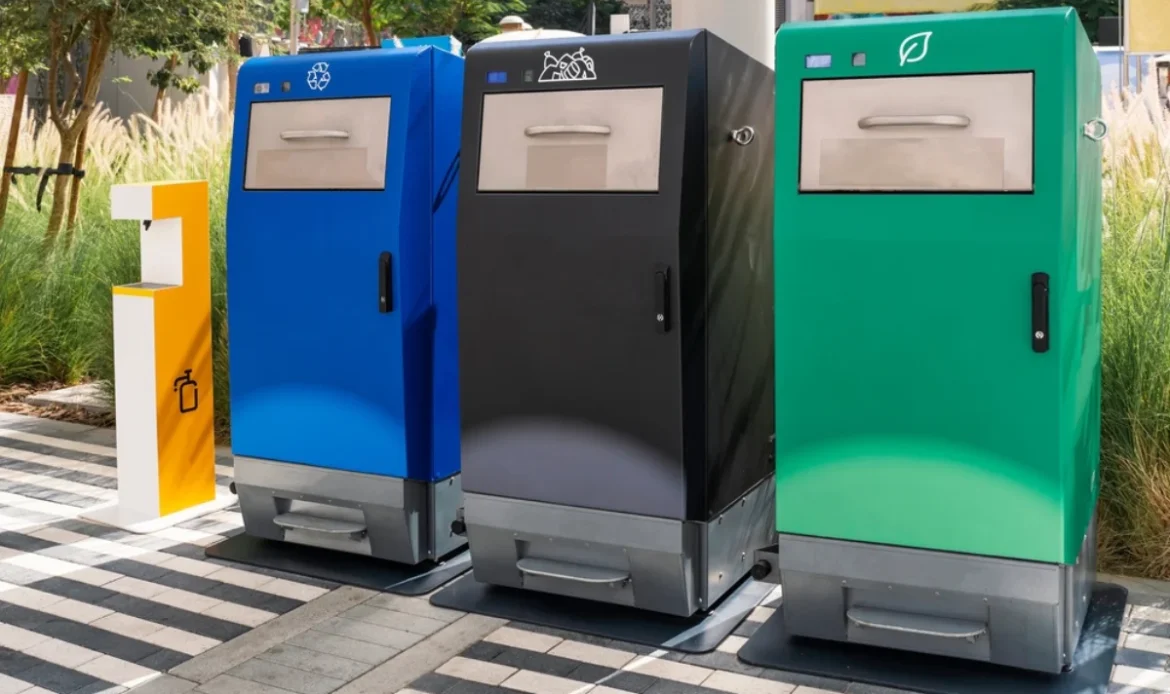
Dubai Municipality has installed many collection points in the city and this has ensured that people are able to dispose of their recyclable materials in a responsible manner. These centers will be located in residential areas, close to supermarkets, in the local parks, and at the commercial areas.Many shopping malls also install recycling bins, allowing shoppers to dispose of their waste while they shop.
If you want to find recycling facilities in your area, you can use a variety of mobile applications and online directories to locate the nearest one. For example, the Dubai Municipality app provides real-time data on collection points in your area. In some communities, residents also use dedicated waste management rooms where they sort recyclable waste before collection day.
The fact that the city of Dubai has several recycling centers is actually a great convenience since you have no more excuses to put recyclable materials in normal trash canisters. No matter which part of Dubai you are in, whether it is Dubai Marina, Jumeirah or Al Barsha or any other community, there would be a collection point within a few minutes of your house. There are even facilities that work 24 hours round the clock so that you may deliver at your own time.
Recyclable Materials in the UAE.
Waste management requires one to know what materials can be recycled. When you recycle in UAE, you generally have a number of common types of materials. One of the most significant recyclable types is paper products – they are newspapers, magazines, office paper, cardboard boxes, as well as paper packaging. Recycle them by ensuring that they are clean and dry.
Plastic recycling is an issue that has received great attention in the recent years. The majority of the facilities receive PET bottles (designated by recycling symbol number 1), HDPE bottles such as milk jugs and detergent bottles (symbol number 2), and additionally receive other types of plastics. The recognizable recycling symbol and number should be located at the bottom of plastic objects to know whether they are accepted by the local recycling center.
Metal cans are very recyclable and will fetch a lot in the recycling stream. You can recycle aluminum as beverage cans and steel as food cans, and you can recycle other metal containers indefinitely without any loss of quality. Glass bottles and jars, especially clear and colored glass, are also widely accepted. However, you must handle broken glass carefully, and in some cases, you need to dispose of it using special methods.
Do not waste deliveries, purchases, or their cardboard and other packaging materials. Flatten boxes to save space and take them apart by removing plastic tape or labels whenever possible. When you recycle in the UAE, you support a system that turns these materials into new products, reducing the use of virgin resources and lowering carbon emissions generated during the production process.
E-Waste Recycling: Recycling of Electronic Devices.
E-waste is one of the most rapidly increasing waste streams in the world and Dubai is not an exception. Recycling of e waste has gained considerable significance as we keep on upgrading our smart phones, laptop, TV and other devices. Such devices have precious materials such as gold, silver, copper and rare earth, which can be reused.
The e waste recycling is very important since the use of electronic gadgets also includes dangerous materials that may pollute the environment in case they fall in the wrong hands. Old electronics contain lead, mercury and cadmium that are toxic substances and when disposed in landfills, they can pollute the soil and water. Dubai has been aware of this challenge and has made specific collection programs on electronic waste.
Most of the electronics outlets and company manufacturers are now providing take-back programs, which allow you to dispose old devices when you are buying new ones. Moreover, the city regularly conducts special e-waste collection drives, allowing citizens to easily dispose of their old technology. Recycling units across Dubai have also established electronic waste collection points to ensure proper treatment of these products.
How to Recycle at Home in the Modern World.
You do not have to make significant changes to start your recycling. The first step involves having different bins in your kitchen or utility section, one for general waste and another one for recycling. Sign them with paper, plastic, metal and glass to simplify the sorting of materials to everyone in your house.
Train family members on what to recycle and what not to recycle. Children would be eager players when they realize that they are contributing to the environment through their actions. It is a practice to wash containers then put them in recycling containers because sometimes dirty ones spoil complete lots of recyclery.
Use search engine with the words recycling near me and find the most convenient drop-off point or make regular visits to a collection center. In certain societies, they provide door to door collection services where recycling vehicles collect sorted off materials on specific days. Inquire with your building management or community association to know what services are offered in your community.
Think of minimizing the amount of waste produced as well as recycling. Reduce single-use-plastics by using reusable shopping bags, water bottles, and food containers. Whenever you do produce waste, make decisions on how to dispose of it. Individual lifestyle alterations have major effects on the environment when performed by millions of people.
Business Recycling Solutions.
Companies produce large volumes of waste and play a significant role in the recycling cycle of Dubai. Contributions to paper waste are made by office buildings, food packaging and organic waste in restaurants and cafes. Retail stores deal with cardboard packaging shipments and plastic wrapping, which come in the product.
There are numerous recycling businesses that provide customized services to businesses. These services may involve periodic collection timetables, on-site containers, waste audit and staff training sessions. Other organizations also produce detailed reports on landfill waste diversion, which businesses can use in their sustainability reporting.
A workplace recycling program will show that the company is socially responsible, and it may enhance the image of your company among the consumers who are environmentalists. It also coincides with Clean City program of Dubai and the sustainability of the UAE. Staff members tend to like working in companies that have made environmental stewardship a top priority which may enhance motivation and recruit the best human resources.
The Environmental Impact of Recycling
Every item you recycle in UAE contributes to significant environmental benefits. Recycling reduces the need for raw material extraction, which often involves environmentally destructive mining and logging operations. It conserves natural resources for future generations while protecting ecosystems and biodiversity.
Manufacturing products from recycled materials typically requires less energy than producing them from virgin resources. For example, recycling aluminum saves about 95% of the energy needed to make new aluminum from bauxite ore. This energy conservation translates directly into reduced greenhouse gas emissions and a smaller carbon footprint.
Recycling also decreases the volume of waste sent to landfills, extending their lifespan and reducing associated pollution. As Dubai continues urbanizing rapidly, minimizing landfill dependency becomes increasingly critical. The city’s recycling initiatives support its ambitious goal of diverting 75% of waste from landfills by 2030.
How to overcome the obstacles of Common Recycling.
This is in spite of the good intentions of many people who are faced with challenges in their attempt to recycle regularly. The problem of not knowing what materials can be recycled is one of them. The regulations may differ at various facilities and even in several neighborhoods and this leads to frustrations among good intentions by residents.
Another important challenge is contamination.Non-recyclable materials can contaminate recyclables or make them too dirty, causing facilities to discard entire batches.This use of time and money in futility points to the need to sort and clean up and then recycle.
The lack of access to collection points at certain areas may not motivate the participation. Although recycling in my area provides more and more results throughout Dubai, there are still areas that have no convenient offers. Community advocacy and engagement with local officials can address these gaps and improve accessibility for all residents.
Vision of Sustainable Future of Dubai.
The government has set ambitious environmental sustainability targets, and recycling stands as one of the core objectives of these plans. The total waste management plan of Dubai involves the development of a better collection system, establishment of more knowledge to the masses, and advanced recycling applications.
The city is rolling out smart Dubai waste management systems that apply sensors to optimize the collection routes and schedules. These inventions save fuel and collection vehicle emissions besides making sure that bins are not overflowed. Waste management through technology implies the dedication of Dubai to make it one of the most sustainable cities in the world.
Public–private partnerships have enhanced recycling efforts. When the government collaborates with private recycling companies in Dubai, both sectors contribute their expertise, resources, and innovations. This collaborative strategy has been successful in the expansion of services and efficient waste management value chain.
Frequently Asked Questions About Recycling in Dubai
1. What is the essence of recycling in Dubai?
Recycling can contribute to the sustainability and environmental objectives of Dubai as well as waste conservation and the reduction of landfills.
2. In Dubai what can be recycled?
Such materials as paper, cardboard, plastic, metal, glass, and electronics are common recyclable materials with special programs.
3. Where am I going to find recycling in Dubai?
Local authorities or those who deal in recycling can help you find community bins, municipal services, or other recycling facilities.
4. Is recycling of electronic waste safe?
Certified recyclers safely dispose of electronic waste, preventing harm to the environment and human health.
5. What are the advantages of recycling to businesses?
Recycling assists the companies to lower waste expenses, comply with regulations, and enhance performance in the sustainability level and customer confidence.