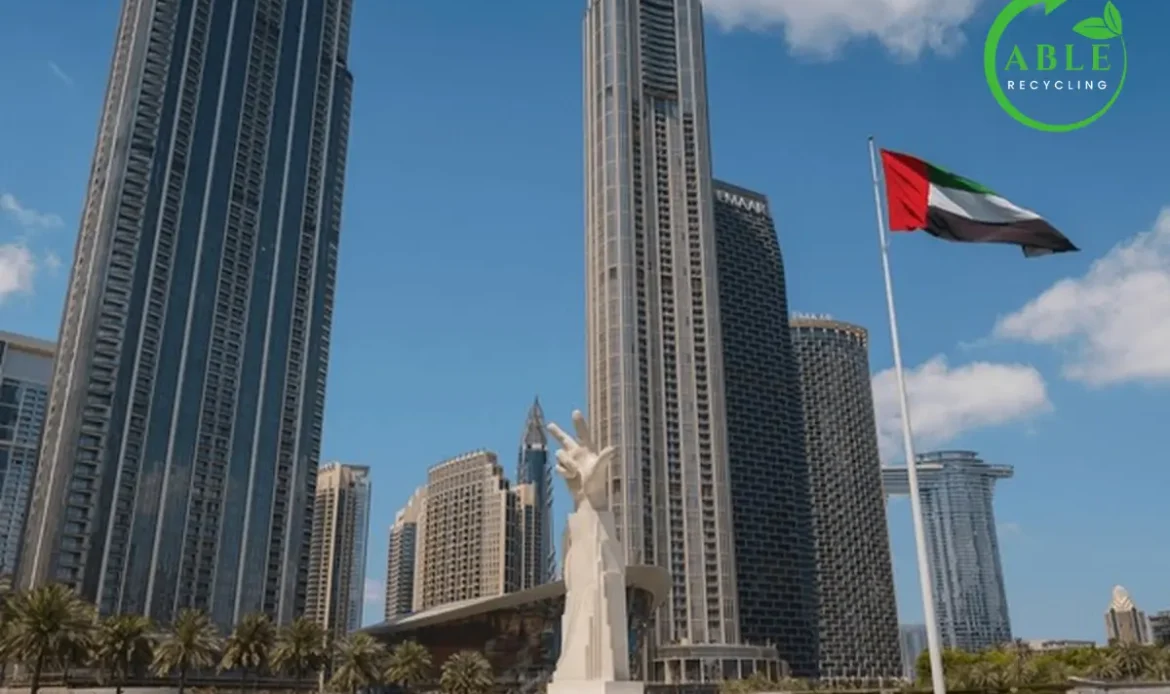
Dubai has big plans for the future and is at the forefront of sustainable development. The Dubai Clean Energy Strategy 2050 is one of the most forward-thinking environmental projects in the Middle East. This detailed plan aims to make Dubai a global center for clean energy and the green economy, setting an example for other cities around the world.
Getting to Know the Dubai Clean Energy Strategy
The Dubai Clean Energy Strategy was started to make Dubai one of the cities in the world with the least amount of carbon emissions. This project aims to lower our dependence on traditional energy sources and raise the percentage of clean energy in the overall energy mix. The government has made clear goals and a plan that will help the emirate move toward a sustainable future.
The plan isn’t just about making energy. It includes many parts of city growth, such as transportation, buildings, waste management, and industrial processes. Dubai wants to get 75% of its total power output from clean energy sources by 2050. This big goal shows how serious the city is about protecting the environment and growing in a way that is good for the long term.
What is the plan for clean energy in Dubai by 2050?
The UAE Energy Strategy 2050 includes the Dubai Clean Energy Strategy 2050. Its main goal is to get more people to use renewable energy to meet the country’s growing energy needs as the economy grows.
By 2050, Dubai wants to get 75% of its energy from clean, renewable sources. This means that instead of relying on traditional fuels, we should use energy that is safe for the environment, like solar power.
His Highness Sheikh Mohammed bin Rashid Al Maktoum, the Prime Minister of the UAE and Ruler of Dubai, started the strategy in November 2015. It shows that Dubai is very serious about saving energy, protecting natural resources, and building a future that will last.
The goal of this plan is to help Dubai’s economy grow without hurting the environment. Its goal is to cut down on pollution and use natural resources more wisely. Dubai also hopes that this plan can be used as a model for other cities and countries around the world.
The goal is for Dubai to have one of the lowest carbon footprints in the world by 2050. The plan also aims to make Dubai a world leader in clean energy and the green economy.
Why Dubai Needs Renewable Energy
Dubai is growing very fast, and this growth has increased the demand for energy. Relying too much on fossil fuels raises concerns about long-term energy security and environmental damage. Dubai’s clean energy strategy addresses these issues by promoting renewable energy and using a more balanced mix of energy sources.
Climate change is a serious challenge for the region. Rising temperatures, water shortages, and environmental damage affect daily life and future development. By moving toward clean and renewable energy, Dubai is taking responsibility for protecting the environment. At the same time, practices like Zero waste help reduce pollution, save resources, and support sustainability.
Together, clean energy and Zero waste efforts help build a strong economy that can grow safely and sustainably, ensuring a better future for the next generations.
The Dubai Clean Energy Strategy 2050 Pillars
The Dubai Clean Energy Strategy 2050 pillars are the building blocks of this project that will change the world. These pillars stand for different areas and ways of doing things that all work together to reach the overall goal. We can see how well-planned and comprehensive this strategy is by looking at these pillars.
Building Up Infrastructure
The first pillar is about putting in place the infrastructure that is needed for clean energy generation and distribution. This includes solar power plants, wind farms, and smart grid systems. Dubai is spending billions of dirhams to build cutting-edge facilities that can make clean energy more efficiently.
The Mohammed bin Rashid Al Maktoum Solar Park is a great example of this promise. When it’s done, it will be one of the biggest solar parks in the world, making 5,000 megawatts of electricity by 2030.
The Law Framework
The second pillar is making laws and rules that help people. The government has put in place a number of policies that make it easier for people to use clean energy. These are things like tax breaks for businesses and homeowners who put up solar panels, rules for buildings that use less energy, and limits on how much pollution factories can release.
The laws also encourage new ideas and research in clean energy technologies. Universities and research centers get help to come up with new ideas that work in Dubai’s unique climate and conditions.
Funding and Investing
The third pillar talks about the money side of the change. The UAE Clean Strategy understands that reaching clean energy goals will require a lot of money. To help clean energy projects, the government has set up a number of ways to get money.
Public-private partnerships actively encourage businesses to get involved. We also welcome international investors because they bring money and knowledge that can help speed up the change. This method makes sure that money is available for projects of all sizes, from big solar farms to small community projects.
Increasing Skills and Knowledge
The fourth pillar is building up local talent and knowledge. The plan calls for full training programs for engineers, technicians, and managers in the clean energy sector. Schools have changed their curricula to include courses on renewable energy and programs on how to be more environmentally friendly.
This focus on human capital makes sure that Dubai has the skilled workers it needs to set up and keep clean energy systems running. It also gives Emiratis and residents more job options, which helps the economy become more diverse.
Energy Mix That Is Good for the Environment
The fifth pillar stresses the need to find the right mix of clean energy sources. Dubai is looking into different renewable energy sources, such as solar, wind, nuclear, and new ones like green hydrogen. The plan knows that different energy sources have different benefits, and that a mix of them is the best long-term and reliable solution.
Waste Management and the Clean Energy Connection
The connection between waste management and clean energy is significant. A recycling company in Dubai plays a crucial role in supporting the Dubai Clean Energy Strategy 2050 by reducing the amount of waste that ends up in landfills. When we recycle materials, we save the energy that would be needed to produce new products from raw materials.
Many recycling companies in Dubai are now incorporating advanced technologies to process waste more efficiently. Some facilities convert waste into energy through processes like waste-to-energy plants, which align perfectly with the clean energy goals. This circular economy approach ensures that nothing goes to waste.
Achieving Zero Waste Goals
The concept of zero waste is gaining momentum in Dubai as part of the broader sustainability vision. Zero waste means redesigning our systems so that all products can be reused, recycled, or composted. Nothing should end up in landfills or incinerators.
Dubai has set ambitious targets to divert significant portions of waste from landfills by 2030. Businesses and residents are encouraged to reduce consumption, reuse items whenever possible, and recycle everything they can. Achieving zero waste requires everyone’s participation, from large corporations to individual households.
Progress and Achievements
Since its launch, the uae clean strategy has achieved remarkable milestones. Dubai has already exceeded some of its interim targets, demonstrating that the ambitious goals are achievable. The share of clean energy in Dubai’s energy mix has been growing steadily year after year.
Several major projects have been completed or are under construction. These include solar power installations on government buildings, energy-efficient retrofits of existing structures, and expansion of public transportation to reduce vehicle emissions. Each project brings Dubai closer to its 2050 vision.
Solar Energy Leadership
Solar energy has become Dubai’s flagship clean energy source. The abundant sunshine in the region makes solar power particularly effective. Large-scale solar parks and rooftop installations across the city are generating significant amounts of clean electricity.
The cost of solar energy has decreased dramatically, making it competitive with traditional sources. This economic viability encourages more businesses and homeowners to adopt solar technology, creating a positive cycle of growth and innovation.
Good for people and businesses
Everyone in Dubai will benefit from the emirate’s clean energy plan. People who live there have cleaner air, less pollution, and a healthier environment. Lower energy costs for clean energy mean that over time, you will save money on your electric bill.
Businesses benefit from lower costs of doing business and a better reputation. Companies that use sustainable methods attract customers and workers who care about the environment. The clean energy sector also opens up new business opportunities in areas like manufacturing, installation, maintenance, and consulting.
Diversification of the economy
By creating a new sector that doesn’t depend on oil and gas, the Dubai Clean Energy Strategy 2050 helps the economy become more diverse. This diversification makes Dubai’s economy stronger and better able to handle changes in oil prices around the world.
The clean energy industry brings in money from other countries and makes Dubai a leader in sustainable development. This good name helps bring in businesses, tourists, and skilled workers from all over the world.
How You Can Contribute
Everyone can play a part in achieving the goals of the dubai clean energy strategy 2050 pillars. Simple actions at home and work make a difference when multiplied across millions of residents.
Start by reducing energy consumption through simple measures like using LED lights, unplugging devices when not in use, and adjusting air conditioning temperatures. Consider installing solar panels if you own property. Support businesses that prioritize sustainability and choose products with minimal environmental impact.
Participate in recycling programs and work toward zero waste in your daily life. Share information about clean energy with friends and family. When more people understand and support the strategy, achieving the goals becomes easier.
The Road to 2050
The journey toward 2050 is long, but it is full of progress and positive change. Dubai has set clear targets for every five years to make sure it stays on track and moves steadily toward its final goal. Regular reviews help identify challenges early, allowing plans to be improved when needed.
As technology continues to grow, new and better ways to produce and store clean energy are becoming available. Dubai remains open to adopting these new solutions as they develop. Along with clean energy, Zero waste practices are also encouraged to reduce waste, save resources, and support sustainability goals. The commitment to the uae clean strategy stays strong, even during short-term challenges.
International cooperation is also very important. Dubai shares its knowledge and learns from other cities working toward similar goals. By working together and promoting ideas like clean energy and Zero waste, global progress becomes faster and more effective, helping everyone overcome shared challenges.
Frequently Asked Questions (FAQs)
1. What is the main goal of the Dubai Clean Energy Strategy 2050?
The main goal is to generate 75% of Dubai’s energy from clean sources by 2050 while reducing carbon emissions.
2. How does the Dubai Clean Energy Strategy 2050 support the environment?
It reduces pollution, promotes renewable energy, and supports sustainable waste management.
3. What are the dubai clean energy strategy 2050 pillars?
They include infrastructure, legislation, funding, skills development, and a sustainable energy mix.
4. How does recycling support clean energy goals?
Recycling reduces waste, saves resources, and lowers energy consumption, supporting sustainability targets.
5. How can businesses align with the clean energy strategy Dubai?
Businesses can adopt renewable energy, reduce waste, and work with professional recycling partners.
Conclusion
The Dubai Clean Energy Strategy 2050 is a powerful roadmap for a cleaner, safer, and more sustainable future. By combining renewable energy, smart technology, waste reduction, and strong policies, Dubai is setting a global example.
With support from businesses, residents, and sustainability partners, this strategy will help build a greener economy and a healthier environment for generations to come.