

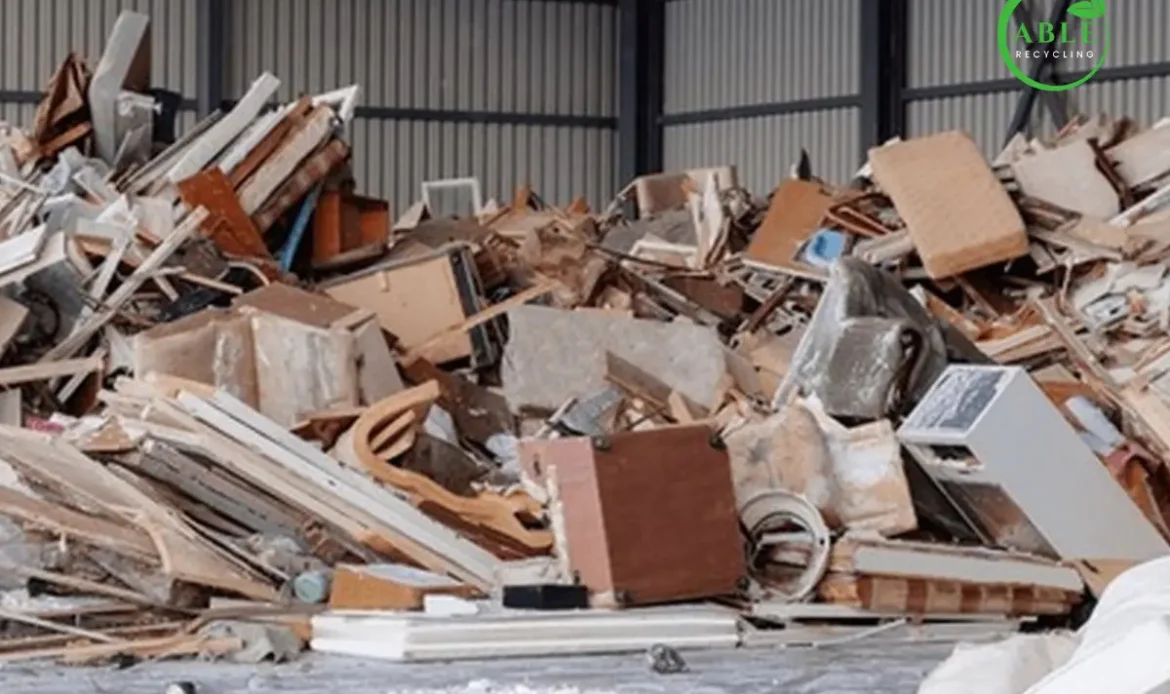
The world has begun to realize the need to live sustainably, and recycling of furniture is at the centre stage of this environmental revolution. Each year, there are millions of tons of furniture stored in landfills and this is a contributor to the degradation of the environment and wastage of resources. Nonetheless, recycling old used furniture through proper recycling would help us to convert old, unneeded furniture to useful materials and save our planet to the future generations.
The idea of furniture reuse is not merely the process of getting rid of the old couches and tables, it is a matter of redefining the way we use, reuse and re-purpose the furniture. You are either relocating to a new house, or remodelling your accommodation, or just clearing up a house, that a bit of knowledge about furniture recycling can assist you to make decisions that will benefit the environment. You can trust a good Recycling Company in Dubai to lead you into this process and your unwanted furniture can be used in a different purpose rather than be damaging the environment.
The concept of Furniture Recycling and Its Significance.
Furniture recycling entails a collection, processing and the conversion of unwanted furniture products into new products or raw materials. This process ensures that valuable resources do not go to landfills and reduces the demand for virgin materials in production.
The importance of Furniture Recycling
The amount of environmental damage caused by disposed furniture is humiliating. The conventional forms of disposing furniture pollute the environment with greenhouse gases, pollute the soil and destroy habitats. Furniture in landfills pollutes the ground with chemicals from treated wood, while synthetic fabrics and foam padding can take hundreds of years to break down.
Recycling of furniture helps to save the natural resources, save on energy and reduce pollution. Recycling a ton of wood saves about 17 trees and eliminates a significant amount of carbon emissions. Furthermore, recycling of furniture generates work in the green economy, and this would help local communities and green businesses.
The Rising Demand of Sustainable Furniture Solutions
The contemporary consumer is becoming more conscious of his or her footprint. The awareness has generated an increasing interest in recycled materials furniture and green living. Consumers are now interested in finding alternatives to the buy-dispose-repeat cycle which has reigned across consumer culture over decades.
Furniture which can be recycled
You can recycle or reuse almost all the furniture in your house. Knowing what to recycle will help you make better choices to clear your space.
Wooden furnishing and recycling wood
The wooded furniture is a major recyclable household product. Wood recycling programs can process table, chairs, cabinets, bed frames, and shelving units of solid wood, plywood or particleboard. We recycle wood by dismantling furniture into smaller pieces, removing non-wood materials, and processing the wood into chips, mulch, or engineered wood products. Even high-quality wood can be salvaged and transformed into beautiful recycled furniture that preserves the natural character of the original material.
Upholstered Furniture
Cushioned seating, armchairs and sofas pose special recycling challenges because of their composition of mixed materials.Specialized facilities separate fabric, foam, springs, and wooden frames for recycling. They melt down metal springs for reuse, while fabrics are repurposed as insulation or industrial textiles.
Metal Furniture
Metal furniture such as office desks, filing system and patio set is very much recyclable. Steel, aluminum, and iron are environmentally friendly materials that manufacturers can melt and remold repeatedly without losing quality, making them ideal for furniture production
Plastic and Composite Furniture
New plastic products can have a high level of recyclability of modern plastic furniture, garden chairs and composite products. Although recycling of plastics is more complicated as compared to recycling of wood or metal, it is more practicable through the technological advancements.
How to Recycle Old Furniture
Knowing how to recycle old furniture properly ensures maximum environmental benefit and may even provide financial returns.
Assess the Condition
Begin by evaluating your furniture’s condition. You can donate or resell items in good condition instead of recycling them. Even pieces with minor damage often can be repaired and reused, significantly extending their life.
Remove Non-Recyclable Components
Before recycling, remove elements that cannot be processed with the main material. This includes cushions from wooden frames, hardware from cabinets, and glass from tables. Proper separation makes the recycling process more efficient and effective.
Find the Right Recycling Service
Research local recycling options in your area. A professional Recycling Company in Dubai can provide pickup services, ensuring your furniture is transported safely and processed according to environmental standards. Many companies offer specialized services for different furniture types, maximizing recovery rates.
Consider Alternative Options
Before recycling, explore other environmentally friendly options. Donating to charities, selling through online marketplaces, or offering items free to community members extends furniture life and reduces demand for new products.
The Process of Creating Furniture Made from Recycled Materials
The journey from discarded furniture to beautiful new pieces showcases human innovation and environmental responsibility.
Collection and Sorting
Recycling facilities collect furniture from various sources including households, businesses, and donation centers. Trained workers sort items by material type, condition, and potential for repurposing. This initial stage determines whether pieces become furniture from recycled materials or are broken down into raw components.
Dismantling and Material Recovery
Furniture is carefully dismantled using both manual labor and specialized equipment. Valuable materials are separated and cleaned, preparing them for their next life. Wood recycling facilities process wooden components into usable lumber, wood chips, or composite materials. Metal parts are sorted by type and sent to smelting facilities.
Manufacturing New Products
Recovered materials become the building blocks for new furniture. Designers and manufacturers increasingly embrace recycled materials, creating stunning pieces that rival traditional furniture in quality and aesthetics. The history of recycled wood gives it a unique character, while designers can shape recycled metals and plastics into innovative designs that are impossible with new materials.
Environmental and Economic Benefits of Furniture Recycling
The advantages of furniture recycling extend far beyond individual households, creating ripple effects throughout society and the environment.
Reducing Landfill Waste
Landfills are rapidly reaching capacity in many regions. By diverting furniture from these sites, we preserve valuable land and prevent pollution. A single recycled sofa saves approximately 100 cubic feet of landfill space while preventing toxic chemicals from leaching into groundwater.
Conservation of Natural Resources
Manufacturing new furniture requires substantial natural resources including timber, petroleum for plastics, and mineral ores for metals. Recycling reduces demand for these raw materials, protecting forests, reducing mining operations, and preserving ecosystems.
Energy Savings
Producing furniture from recycled materials requires significantly less energy than creating items from virgin resources. Recycling wood uses approximately 60% less energy than processing new timber, while metal recycling saves up to 95% of the energy needed for primary metal production.
Economic Opportunities
The recycling industry creates numerous job opportunities in collection, processing, manufacturing, and retail. Supporting furniture recycling strengthens local economies while promoting sustainable business practices.
Creative Ways to Give Furniture a Second Life
Before recycling, consider creative alternatives that extend furniture life while adding personal touches to your space.
Upcycling Projects
Upcycling transforms old furniture into something new and beautiful without breaking it down completely. Simple projects like repainting dressers, reupholstering chairs, or converting doors into tables breathe new life into tired pieces while developing valuable skills.
Furniture Donation Programs
Many charitable organizations accept furniture donations, redistributing them to families in need. This option provides social benefits while keeping items in use longer, maximizing their environmental value.
Community Sharing Platforms
Online platforms and local community groups facilitate furniture exchanges, connecting people who need items with those looking to declutter. This sharing economy reduces waste while building community connections.
Choosing Furniture Made from Recycled Materials for Your Home
Supporting the circular economy begins with purchasing decisions. When buying new furniture, consider pieces made from recycled components.
Quality and Durability
Recycled furniture often matches or exceeds the quality of conventional pieces. Many manufacturers use superior construction techniques to showcase the beauty of reclaimed materials, resulting in unique, durable items that tell a story.
Design and Aesthetics
Recycled materials offer distinctive visual appeal. Reclaimed wood shows rich patinas and character marks that new lumber cannot replicate, while designers shape recycled metals and plastics into contemporary designs that create bold style statements.
Supporting Sustainable Businesses
Purchasing furniture made from recycled materials supports companies committed to environmental responsibility. These businesses often prioritize fair labor practices, local sourcing, and transparent supply chains, aligning your purchases with your values.
Frequently Asked Questions About Furniture Recycling
1. What types of furniture can be recycled?
Most furniture made of wood, metal, plastic, and fabric can be recycled, including tables, chairs, sofas, cabinets, and office furniture.
2. Can damaged furniture be recycled?
Yes. Even broken furniture can be dismantled and recycled into usable materials.
3. Is recycled furniture durable?
Yes. Recycled furniture is often refurbished or remanufactured to meet quality and safety standards.
4. How do I recycle old furniture responsibly?
You can contact a professional recycling service or donate reusable items. Avoid dumping furniture illegally.
5. Why is furniture recycling important for the environment?
It reduces landfill waste, saves natural resources, lowers pollution, and supports sustainable production.
Final Thoughts
Furniture recycling is no longer just a choice — it is a responsibility for everyone. Whether you are renovating your home, changing office furniture, or getting rid of old items, choosing to recycle old furniture truly helps the environment.As people become more aware of sustainability, the demand for recycled furniture and furniture made from recycled materials is growing. Practices like wood recycling help reduce waste, save trees, and give old furniture a new life. By working with trusted recycling services and following eco-friendly habits, you help keep the environment clean and support a healthier, more sustainable future.