Recycling is one of the easiest ways to reduce waste. Among many materials, wood recycling plays a huge role. Wood is used in homes, offices, and factories. When it’s no longer useful, it does not need to become waste. Instead, it can be recycled and reused in smart ways.
This guide explains what wood recycling is, why it matters, and how to reuse wood. It also shows how it connects with plastic recycling, e waste recycling, organic recycling, and glass recycling.
What Is Wood Recycling?
Wood recycling means collecting and reusing wood that people would normally throw away. Instead of ending up in a landfill, wood gets a second life.
Recycled wood can be turned into:
- Mulch for gardens.
- Compost material.
- Furniture and décor.
- Particleboard for construction.
- Biomass fuel for energy.
Why Wood Recycling Matters
Recycling wood helps the planet and saves resources. Here’s why it’s important:
- Saves trees – Less demand for fresh timber.
- Reduces landfill waste – Wood waste takes up space and releases gases.
- Supports a circular economy – Keeps materials in use longer.
- Uses less energy – Recycling takes less power than cutting new wood.
How Wood Recycling Works
The process is simple and effective:
- Collection – Wood comes from homes, factories, and construction sites.
- Sorting – Workers separate untreated, painted, and treated wood.
- Cleaning – Metals like nails and screws are removed.
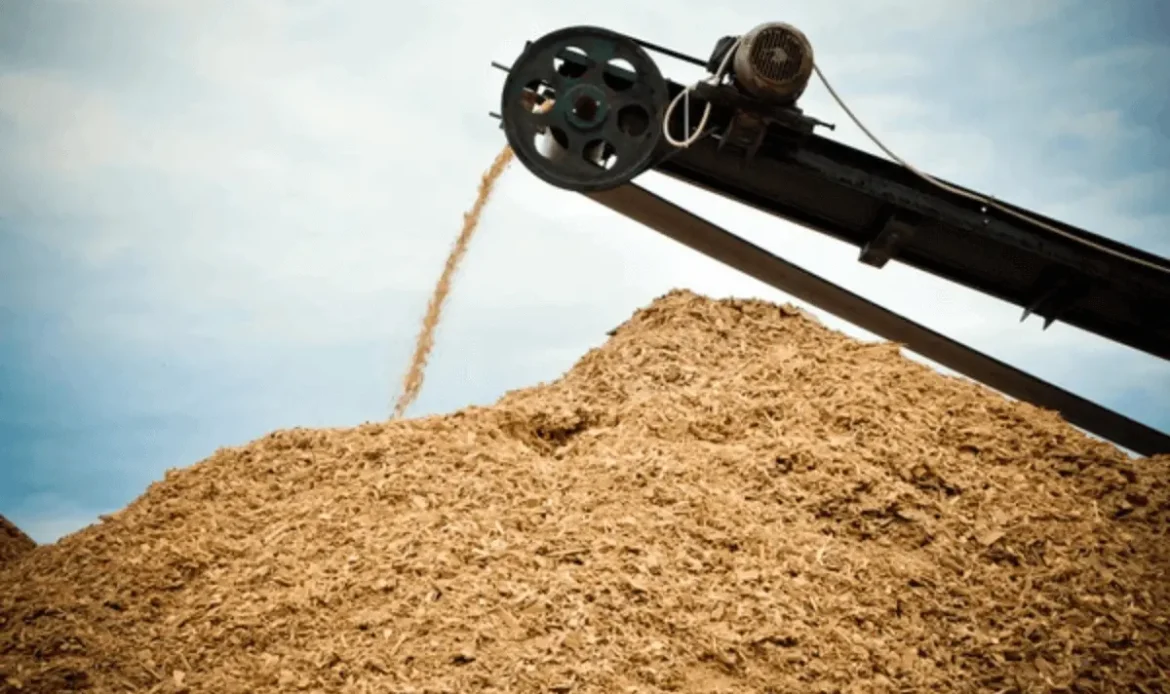
- Shredding – Wood is cut into small chips.
- Processing – Chips are turned into mulch, compost, or boards.
- Reuse – The recycled products return to homes, gardens, or factories.
Smart Reuse Options for Wood
You don’t always need a factory to recycle wood. Many reuse options are simple and creative.
- DIY Furniture – Make tables, shelves, or benches from old planks.
- Home Décor – Turn wood scraps into frames or wall art.
- Garden Mulch – Use wood chips to keep soil moist and healthy.
- Composting – Add untreated chips to compost piles. This helps organic recycling.
- Energy Production – Burn wood waste safely for renewable energy.
| Reuse Option | Description | Main Benefit |
| DIY Furniture | Turn planks into tables, shelves, benches | Saves money, adds home style |
| Home Décor | Use scraps for frames, wall art | Creative, eco-friendly décor |
| Garden Mulch | Spread chips over soil | Keeps soil moist, prevents weeds |
| Composting | Add untreated scraps to compost | Supports organic recycling |
| Biomass Fuel | Burn safely for energy | Produces renewable energy |
Types of Recyclable Wood
Not all wood is the same. Here are the main types:
- Untreated Wood – Easy to recycle into mulch, compost, or energy.
- Painted or Stained Wood – Needs extra care but still useful.
- Treated Wood – Harder to recycle due to chemicals.
- Engineered Wood – Like MDF or plywood, often used for boards.
| Wood Type | Can It Be Recycled? | Best Reuse Option |
| Untreated Wood | Yes | Mulch, compost, biomass fuel |
| Painted or Stained | Limited | Particleboard, DIY projects |
| Treated (chemicals) | Difficult | Energy production (biomass fuel) |
| Engineered (MDF, Plywood) | Yes | Particleboard, furniture, construction |
Wood Recycling and Other Practices
Wood recycling connects with other recycling systems. Together, they make waste management stronger.
- Plastic Recycling – Both reduce waste and protect nature.
- E Waste Recycling – Electronics often come in wooden crates. Recycling both saves space and cuts pollution.
- Organic Recycling – Wood chips add balance to compost piles.
- Glass Recycling – Wood and glass are both widely reused in construction and packaging.
Benefits of Wood Recycling
Environmental Benefits
- Cuts carbon emissions.
- Protects forests and wildlife.
- Prevents harmful chemicals from leaking.
- Saves natural resources.
| Recycling Type | Main Purpose | Connection with Wood Recycling |
| Plastic Recycling | Reuse bottles, packaging, containers | Both reduce landfill waste and pollution |
| E Waste Recycling | Recover metals, plastics, electronics | Electronics often shipped in wooden crates |
| Organic Recycling | Compost food and garden waste | Untreated wood chips support composting |
| Glass Recycling | Reuse bottles and jars endlessly | Both common in packaging and construction |
Economic Benefits
- Lowers waste disposal costs.
- Creates new jobs.
- Supplies cheaper recycled materials.
Challenges of Wood Recycling
Some issues make recycling harder:
- Contamination – Paint and varnish can be toxic.
- Collection – Many places lack proper recycling facilities.
- Awareness – People often throw wood away instead of reusing it.
How to Recycle Wood at Home
Small actions at home make a big difference:
- Repurpose old furniture with paint or polish.
- Donate leftover wood to schools or workshops.
- Compost small untreated scraps.
- Try DIY projects with wooden pallets.
Business Role in Wood Recycling
Businesses generate large amounts of wood waste. Recycling helps them:
- Save money on disposal.
- Meet environmental rules.
- Improve green branding.
- Support a circular economy.
Companies can partner with services like Able Recycling to handle wood waste responsibly.
The Future of Wood Recycling
The future looks positive. Technology is improving. Governments are making stricter rules. New uses, like engineered recycled wood and biomass energy, are on the rise.
Conclusion
Wood recycling is more than waste control. It is about protecting forests, reducing pollution, and saving resources. From DIY projects to industrial recycling, every step counts. When combined with plastic recycling, e waste recycling, organic recycling, and glass recycling, it builds a complete solution. Together, these efforts shape a cleaner and greener future.
Recycling wood today means protecting tomorrow.
FAQs about Wood Recycling
Q1. What is wood recycling?
Wood recycling means collecting, processing, and reusing wood that people would otherwise throw away. It helps reduce waste, saves trees, and supports the environment.
Q2. Why is wood recycling important?
It saves natural resources, reduces landfill waste, lowers carbon emissions, and supports a circular economy.
Q3. What can recycled wood be used for?
People use recycled wood to make mulch, compost, furniture, particleboard, biomass fuel, and creative DIY projects.
Q4. Can all types of wood be recycled?
Most types can be recycled. Untreated wood is easiest. Painted or treated wood requires extra care. Engineered wood like MDF can also be reused.
Q5. How does wood recycling help the environment?
It cuts pollution, prevents deforestation, saves energy, and reduces greenhouse gas emissions from landfills.
Q6. How can I recycle wood at home?
You can repurpose old furniture, donate leftover wood, compost untreated scraps, or use them for DIY décor projects.
Q7. Is wood recycling the same as organic recycling?
Not exactly. Organic recycling mainly deals with food and garden waste. However, you can add untreated wood chips to compost and the two practices work together.
Q8. How is wood recycling connected to plastic and e waste recycling?
Like plastic recycling and e waste recycling, wood recycling reduces landfill waste and pollution. Many electronics are shipped in wooden crates, making both systems linked.
Q9. What challenges come with wood recycling?
Challenges include contaminated wood with chemicals or paint, lack of collection facilities, and low public awareness.
Q10. What is the future of wood recycling?
The future is bright. Technology is improving, governments are encouraging recycling, and new uses like biomass energy and engineered recycled wood are growing.
1 reply on “Smart Ways to Reuse and Recycle Wood for Sustainable Eco-Friendly Living”
Thank you for promoting recycling. Through this, we can help the earth and our nature.